
Printing & Binding: Choosing the Right Binding Style
The right binding enhances the appearance, durability and functionality of your printed materials. Copycats offers a variety of printing and binding options for booklets, catalogs, presentations, reports and manuals. Explore the options below to find the right fit for your project.
Need Help Choosing?
Not sure which binding is right for your project? Our Midtown Manhattan team can help you select the best option for your printing needs.
CALL US:
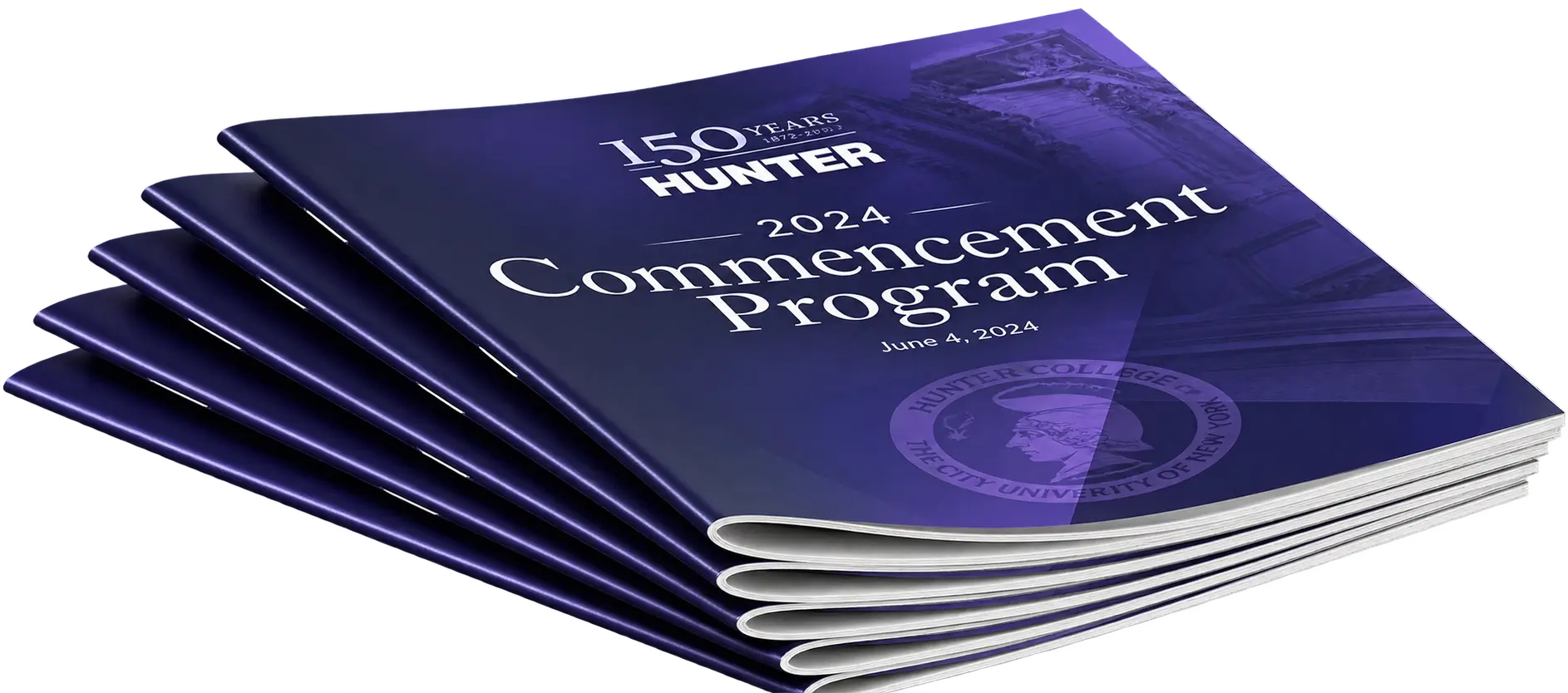
Saddle-Stitch Binding
Saddle stitching uses staples along the folded spine to create an economical, professional-looking booklet. Covers can be printed on the same paper as the interior pages or on heavier cardstock. Page counts must be in multiples of four.
Best for: Brochures, event programs, newsletters and booklets.
Perfect Binding
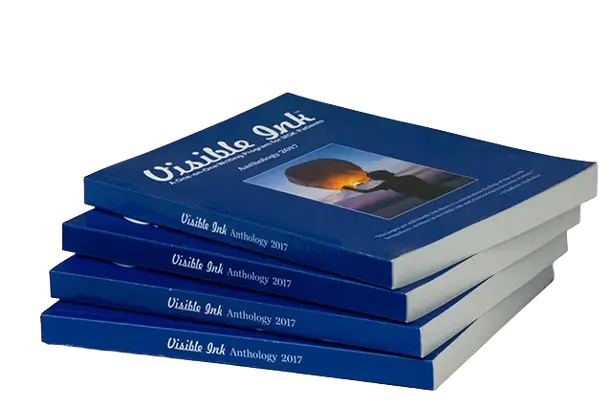
Perfect binding creates a professional, paperback-style book with a flat, square spine and a glued cover. It is ideal for publications with higher page counts and can accommodate printed text on the spine when
the book is thick enough. Unlike coil or Wire-O binding,
perfect-bound books do not open completely flat.
Best for: Catalogs, annual reports, magazines and books.
Wire-O Binding
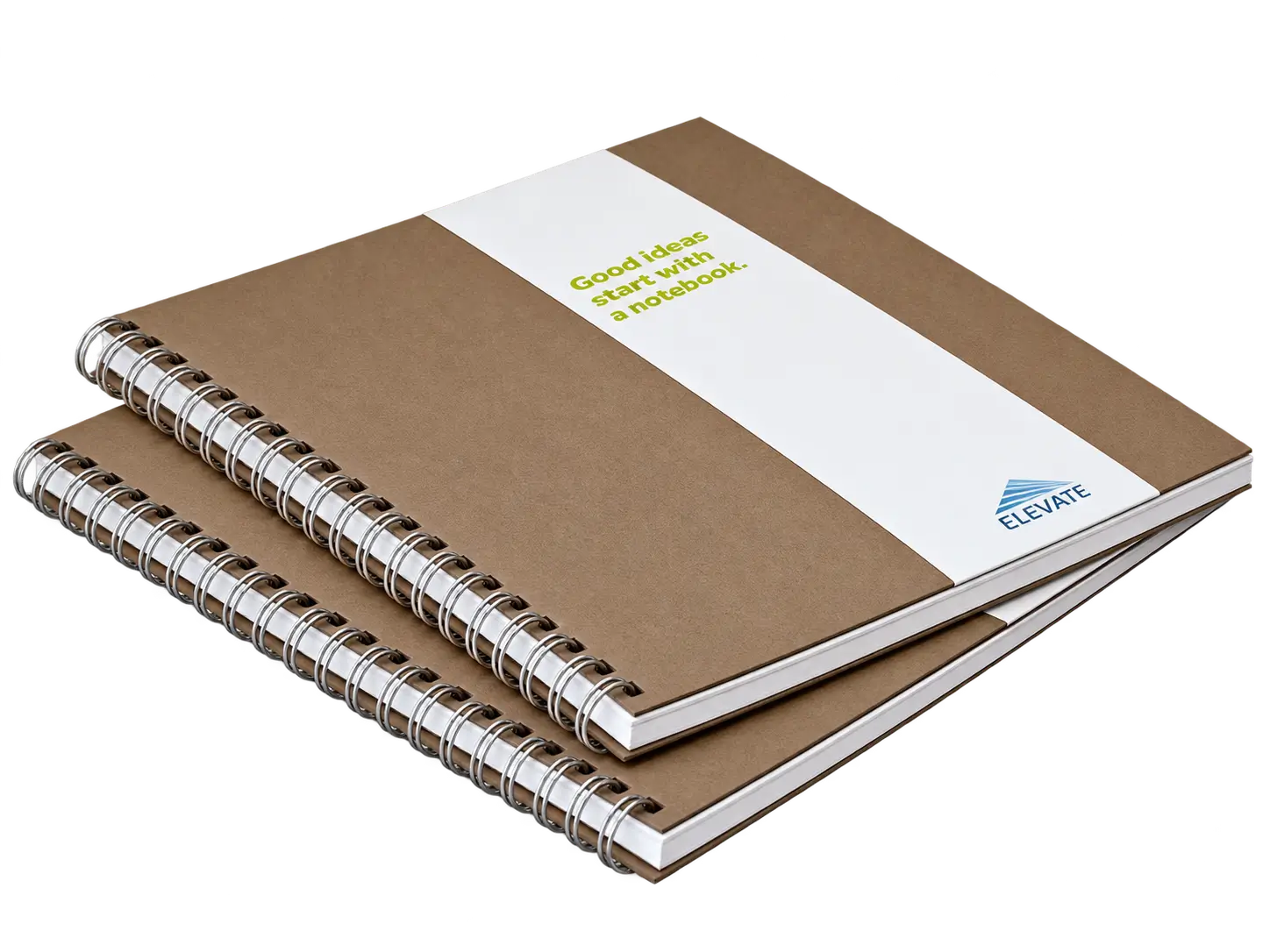
Wire-O binding uses double-loop metal wire to create a polished, professional appearance. Pages turn easily and open flat, making it ideal for presentations and documents that need to remain open during use. Available in a variety of wire colors.
Best for: Proposals, pitch books, lookbooks, calendars and presentations.
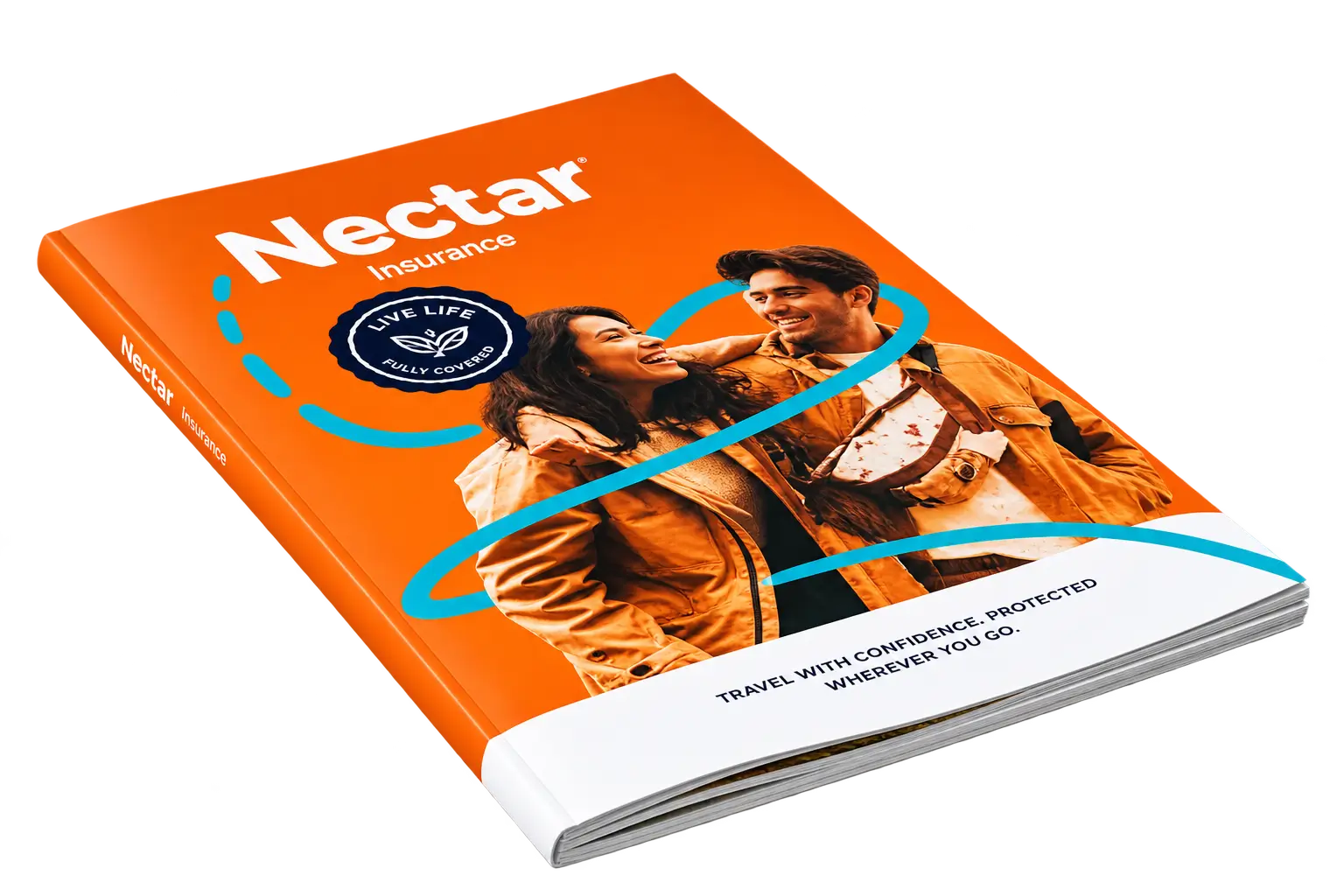
Square-Back Saddle Stitch Binding
Square-back saddle stitching combines the economy of traditional saddle stitching with the polished appearance of a square spine. It creates a flatter, more book-like finish with a lower cost than perfect binding and is well suited to shorter print runs. It allows for more pages than Saddle-stitching. Page counts must be in multiples of four.
Best for: Corporate booklets, reports, presentations, workbooks and journals.
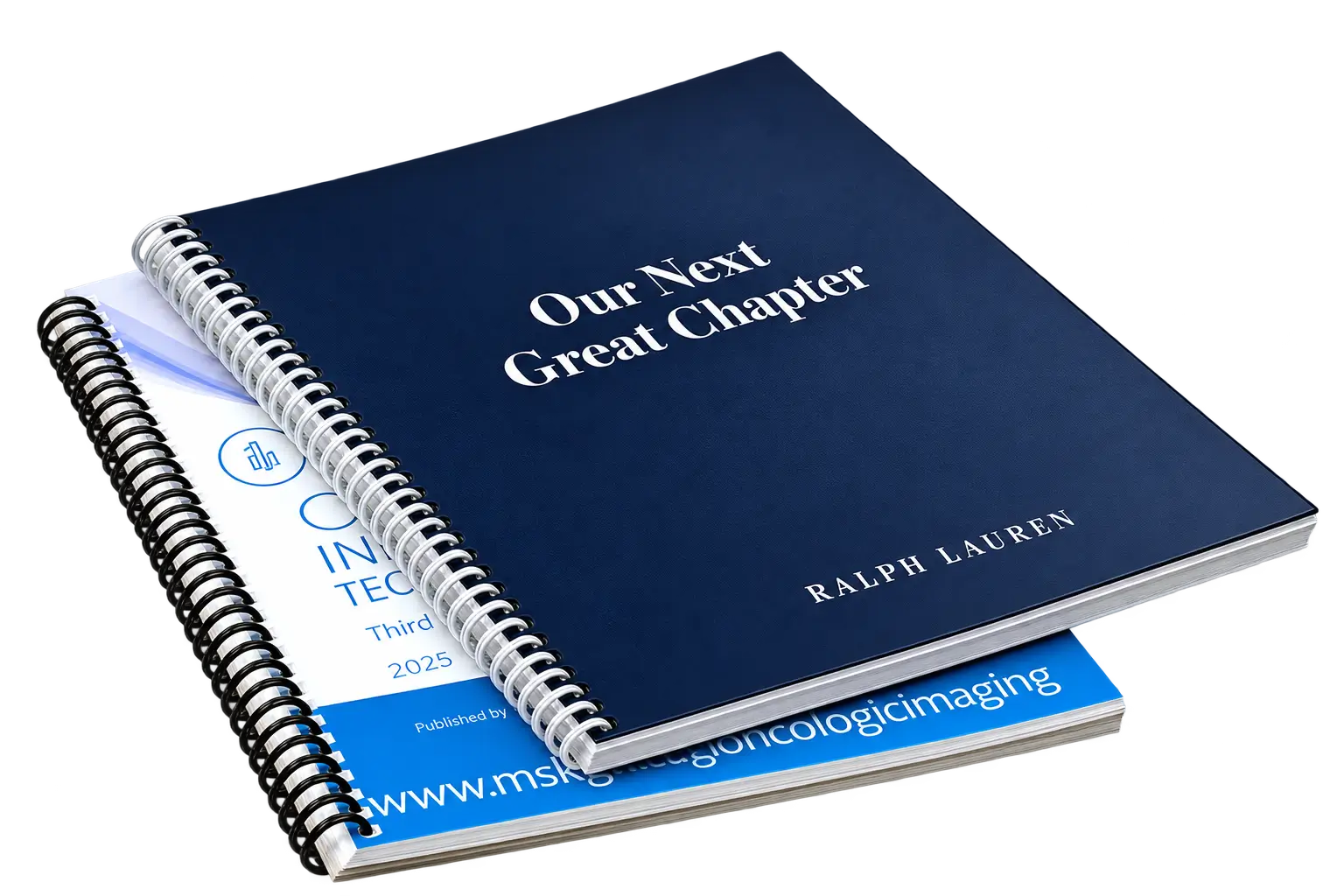
Coil (Spiral) Binding
Coil binding uses durable plastic spirals that allow pages to open flat or rotate a full 360 degrees. The flexible coils resist bending and are available in a variety of colors. This practical and durable binding method is particularly useful for documents that will be opened frequently.
Best for: Training manuals, workbooks, instructional guides and course materials.
Velo Binding
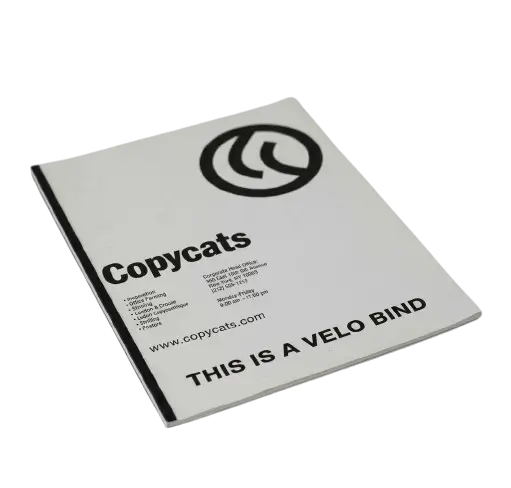
Velo binding secures pages with a plastic strip system that creates a neat, tamper-resistant document. Pages cannot be easily added or removed, making it useful for formal submissions and legal documents. Velo-bound documents stack neatly but do not open flat.
Best for: Legal documents, court filings and official reports.
Tape Binding
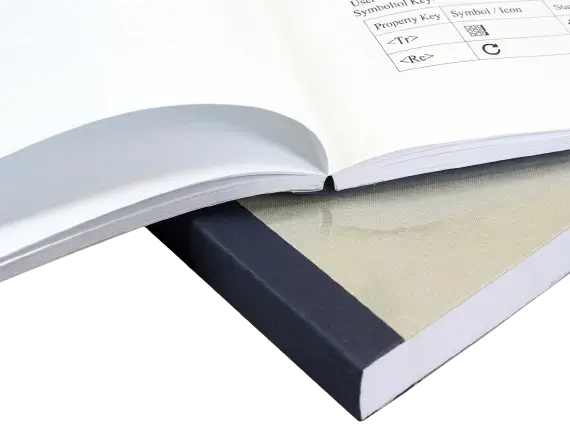
Tape binding uses heat-activated adhesive to secure pages along the spine, creating a clean, finished appearance without exposed staples, coils or wires. It is a practical option for reports and documents.
Best for: Business reports, proposals and presentations.

Three-Hole Punching & Binder Assembly
Three-hole punching allows printed pages to be inserted into standard three-ring binders, making them easy to organize, replace or update. Copycats can print and punch your materials or provide complete, assembled binders. We can customize binders with a cover insert or, for larger quantities, by imprinting the cover.
Best for: Training manuals, reference materials, employee handbooks and frequently updated documents.
Which Binding Method Is Right for Your Project?
Different binding styles offer different advantages. Use this quick guide to compare the options.
| Binding Method | Key Advantage | Common Applications |
|---|---|---|
| Saddle Stitch | Economical, lightweight | Booklets, brochures, programs |
| Perfect Binding | Paperback-style finish | Catalogs, books, annual reports |
| Wire-O | Professional appearance, opens flat | Presentations, proposals, calendars |
| Square-Back Saddle Stitch | Square spine at a lower cost, lays flat | Corporate booklets, reports, journals |
| Coil (Spiral) | Durable, opens 360 degrees | Workbooks, training manuals |
| Velo | Secure, tamper-resistant | Legal documents, formal reports |
| Tape | Clean appearance, no exposed fasteners | Reports, proposals |
| Three-Hole Binder | Pages can be added or replaced | Manuals, handbooks, reference materials |
Frequently Asked Questions About Printing & Binding
1What is the most economical way to bind a booklet?
Saddle-stitch binding is generally one of the most economical choices for booklets with relatively low page counts. The best option depends on the quantity, number of pages and finished size.
2What’s the difference between coil binding and Wire-O binding?
Both methods allow pages to open flat. Coil binding uses a flexible plastic spiral and is particularly durable for frequently handled documents. Wire-O uses double-loop metal wire for a more polished presentation.
3What’s the difference between saddle stitching, square-back and perfect binding?
Saddle stitching folds and staples pages along the spine, making it economical for thinner booklets. Perfect binding glues pages into a wraparound cover with a flat, square spine, producing a paperback-style book. Square-back is a saddle-stitch that looks like a perfect-bound book and can accommodate more pages than a saddle-stitch.
4How do I choose the best binding for my printed project?
Copycats can recommend a binding method that suits your project and printing specifications. We consider the number of pages, how the document will be used, the appearance you want and your budget.